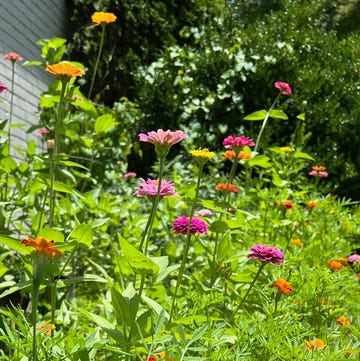
30 Best Ground Cover Flowers and Plants for Your Yard
Avoid bare spots with these pretty, easy-spreading, low-growing flowers and plants!
Often overlooked, ground covers are essential in any landscape. That's because ground cover plants are incredible problem solvers!
These low-growing plants can stop erosion on hillsides, act as a living mulch for areas where grass doesn't grow under trees, and attract pollinators throughout the growing season. (Learn how to turn your garden into a pollinator oasis.) Most ground cover flowers also spread once established so they're a great investment in your perennial plant garden.
When choosing ground cover plants, make sure they can survive winters in your USDA Hardiness zone. (Find your zone here. Be aware that the hardiness map was recently updated so your zone may have changed.)
While some ground covers are evergreen, others die back to return in the spring. Either way, ground covers are a practical way of fixing spots where other plants don't do well.
When planting ground covers, consider the space you'd like to fill in. Obviously, the closer you plant your new plants, the more quickly they'll fill in an area. Also, make sure they're receiving the right amount of sunlight. Full sun is considered 6 or more hours of direct sunlight per day, while part sun is about half that. Full shade means only a little morning sun or no direct sunlight at all.
More gardening stories you'll love:
Heuchera

Heuchera have beautiful, vibrant foliage in every color from chartreuse to dark burgundy. These clumping perennials can grow in either sun or shade, though most do best with morning sun and afternoon shade. They're also deer and rabbit-resistant!
USDA hardiness zones: 4 to 9
Light: Full to part sun
Read more: 38 Deer Resistant Plants Bambi Won't Go Near
Bunchberry

Bunchberry is an attractive low-growing shrub that works well as a ground cover in part shade. Its foliage and berries resemble those of dogwood trees.
USDA hardiness zones: 2 to 6
Light: Full sun to part shade
Alchemilla

Alchemilla, also called lady's mantle, has pretty scalloped foliage that sparkles when water droplets appear on it. The green flowers appear in late spring. It's most beautiful when planted in large groups.
USDA hardiness zones: 3 to 7
Light: Part to full sun
Hens and Chicks

With such a cute name, this low-growing succulent deserves a spot in your garden! Small rosettes (hens) are surrounded by baby plants (chicks) as this old favorite matures. It's a common pass-around plant your grandma probably grew. Hens and chicks require almost no maintenance and tolerate many soil types.
USDA hardiness zones: 3 to 9
Light: Full sun
Keep reading: How to Grow and Care for Hens and Chicks Plants
Sweet Alyssum

Sweet alyssum is a lovely annual to plant along the edges of walkways. Pollinators adore it! Plus, it has a sweet honey scent, with blooms that last from spring all the way until a few hard freezes. Although it's an annual, many types drop seeds and pop up again next spring.
USDA hardiness zones: Annual, not perennial
Light: Full to part sun
Read more: The Best Shade Annuals for Your Garden
Day Lily

You might not think of day lilies as a ground cover, but their fibrous root systems are ideal for holding soil in place, such as on hillsides. The foliage remains low-growing, while the lovely flowers in every color imaginable appear in mid-summer. Although each flower lasts for one day (thus, earning the plant's common name), there are multiple buds per stem.
USDA hardiness zones: 4 to 9
Light: Full sun
Read on: 17 Types of Lilies You'll Love to Grow in Your Garden
Creeping Thyme

This low-growing perennial herb, which is available in many different cultivated varieties, makes an excellent groundcover, tolerating even poor, sandy soils. In late spring to early summer, it is covered in white, pale pink or fuchsia flowers that pollinators adore. Plus, it's edible and remains mostly evergreen in much of the country, even under snow.
USDA hardiness zones: 5 to 9
Light: Full sun
Hellebore

Hellebores are absolutely stunning plants, with waxy evergreen foliage that survives in even the coldest climates. When planted in masses, they're quite eye-catching. The exquisite flowers of these perennials appear in late winter to early spring, earning them their common name of Lenten roses.
USDA hardiness zones: 4 to 9
Light: Part to full shade
Roman Chamomile

Roman chamomile spreads by creeping rooting stems. As a member of the Asteraceae (daisy) family, its pretty daisy-like summertime flowers and meandering habit make it ideal for rock gardens, borders, and along walkways. Bees love it!
USDA hardiness zones: 4 to 9
Light: Full sun to part shade
Related: How to Grow Chamomile In Your Garden
Creeping Juniper

Though they don't flower, low-growing shrubs such as creeping juniper make great ground covers.
And since they're evergreen, they offer color all year long. Many different types of creeping junipers are available, so read the plant tag or description to be sure you're buying one that is hardy in your region. They're drought-tolerant once established.
USDA hardiness zones: 3 to 9
Light: Full sun
Related: The Best Drought Tolerant Shrubs
Delosperma

Blooming from spring to fall, delosperma is a low-growing flowering succulent that brings splashes of bright color to the garden. Also known as ice plant, it doesn't mind poor soil and drought. (Just make sure to plant Delosperma, not the invasive plant Carpobrutus, which is also known by the common name of ice plant.)
USDA hardiness zones: 5 to 10
Light: Full sun
Related: How to Care for Ice Plant
Creeping Jenny

This fast-growing perennial has golden to green-ish rounded foliage and tiny yellow flowers. It's a hardy plant that adds bright color to planting beds. However, creeping jenny grows a little too well outdoors, especially in the Midwest and Northeast, where it is considered invasive. Plant it only where it can be contained.
USDA hardiness zones: 3 to 9
Light: Full sun to part shade
Geum

This beautiful perennial has low-growing, clumping foliage with lovely flowers atop long stems. They make long-lasting cut flowers so they're not only a great groundcover, they make an excellent addition to your cutting garden, too.
USDA hardiness zones: 5 to 7
Light: Full sun
Lamb's Ear

With fuzzy, touchable silver foliage and tall spikes of purple flowers that pollinators love, this old-fashioned perennial belongs in your garden because it's ridiculously low-maintenance. It tolerates most soil types.
USDA hardiness zones: 4 to 9
Light: Part to full sun
Creeping Sedum

Sedum comes in many upright forms, but low-growing, creeping varieties make an excellent ground cover. Because they're succulents, they're also drought-tolerant once established.
USDA hardiness zones: 4 to 9
Light: Full sun
Related: The 17 Best Flowering Succulents for Your Home and Garden
Japanese Painted Fern

Ferns make a lovely ground cover for shady areas. They come in many different varieties, but Japanese painted fern, with its silvery-green foliage and pink striping is especially eye-catching. They're also deer and rabbit resistant.
USDA hardiness zones: 3 to 8
Light: Part to full shade
Epimedium

Tiny flowers appear in early spring on this delightful perennial. With heart-shaped foliage and charming fairy-wing type flowers, epimedium is a great choice for dry shade conditions.
USDA hardiness zones: 4 to 9
Light: Part sun to part shade
Lily of the Valley

With strappy green foliage and tiny spikes of fragrant flowers nodding on long stems, lily of the valley is a charming ground cover. It spreads rapidly in any type of soil, so make sure to plant it somewhere it can't take over your garden, such as between the house and walkway.
USDA hardiness zones: 3 to 8
Light: Full to part sun
Lamium

Known as lamium or the not-so-glamorous common name of dead nettle, this ground cover is an excellent choice for gardens. It spreads rapidly, offering a shimmery glow with its silvery-splashed foliage and pink, white or purple blooms from spring to fall. It's truly an under-appreciated ground cover option for the garden.
USDA hardiness zones: 3 to 8
Light: Full to part sun
Liriope

Looking for a tough-as-nails groundcover? Liriope has grassy foliage and spikes of purple flowers in late summer to early fall. It can become a little too aggressive in some settings, so plant it where it can be contained. It is actually considered invasive in some states, especially in the Southeast. Plant an alternative if you live in a state where it's considered invasive.
USDA hardiness zones: 5 to 10
Light: Full sun to part shade


The 8 Summer Gardening Tasks Experts Never Skip

The Tastiest Fall Fruits and Veggies in Season Now

Cold-Loving Winter Flowers to Brighten Dark Days

How to Seed Your Lawn Like a Pro This Fall